All-Season Tires vs Summer Tires: What Drivers Need to Know near Lansdale, PA
Choosing between all-season and summer tires is about matching rubber, tread, and temperature range to the way you actually drive. All-season tires balance grip, comfort, longevity, and wet-weather confidence across a broad temperature window, making them a practical default for daily commuting, school drop-offs, and weekend errands. Summer tires are purpose-built for warm conditions, delivering sharper turn-in, shorter dry stopping distances, and more precise steering feel thanks to softer compounds and streamlined tread blocks. If your routes include Bethlehem Pike, Route 309, or quick hops to I-476, traffic flow, road surface quality, and frequent rain showers all matter when deciding what fits best near Lansdale, PA. Road noise on older pavement, the need for predictable braking in sudden stops, and the traction you want for a spirited backroad drive are important considerations, too. Our technicians can evaluate your current tires for age, tread depth, and irregular wear, then explain how compound and tread design translate to real-world grip, hydroplaning resistance, and ride quality. We also account for your vehicle’s weight, wheel size, alignment settings, and advanced driver-assistance features, so your tires and chassis work together. When you are ready to compare specific options, Montgomeryville Nissan offers tire consultations that are clear, quick, and tailored to the way you drive.
Key Differences That Affect Your Ride and Safety
- Rubber compound: All-season tires use versatile blends that stay pliable across a wide temperature band; summer tires use softer compounds that excel in warm conditions for maximum grip.
- Tread design: All-season patterns feature more siping and channels to evacuate water; summer treads have larger shoulder blocks and fewer grooves to stabilize contact in dry turns.
- Temperature range: All-seasons tolerate cool mornings and hot afternoons; summer tires are engineered for warmth and can harden in colder snaps, reducing traction.
- Wet traction: All-seasons prioritize hydroplaning resistance; summer tires rely on compound and directional grooves to maintain high-speed wet grip in warm rain.
- Dry handling: Summer tires deliver crisper steering feedback and shorter braking on dry pavement; all-seasons trade a bit of peak performance for year-round usability.
- Ride comfort and noise: All-seasons generally ride quieter on mixed surfaces; summer tires can transmit more road texture due to stiffer shoulder blocks.
- Treadwear: All-seasons often last longer under typical commuting; summer compounds can wear faster when driven aggressively or misaligned.
- Fuel efficiency: Low-rolling-resistance all-seasons can help MPG; performance-focused summer tires may increase rolling drag slightly.

Translating specs into daily peace of mind starts with an inspection of your existing set—tread depth, age-related rubber hardening, and any edge wear that signals alignment issues. If your driving is primarily warm-weather performance on clean, dry roads, summer tires can noticeably sharpen dynamics. For varied temperatures and frequent wet roads, quality all-seasons shine. Our service team can measure tread, verify load and speed ratings, and suggest tires that complement your suspension tuning and stability control calibration so you enjoy confident braking and predictable cornering in the conditions you face most.
Which Tire Type Fits Your Driving in Montgomery County?
Think about your week. If your commute rolls along Route 309 with a mix of stop-and-go and 45–55 mph stretches, and weekend plans include quick trips to shopping centers, parks, or youth sports, a premium all-season tire delivers calm steering, stable braking, and good noise control on varied pavement. Families appreciate their balance of longevity and surefooted wet traction. If you seek athletic feedback—perhaps carving those sweeping bends toward Peace Valley Park or enjoying your sports sedan’s chassis on dry, warm afternoons—high-quality summer tires can unlock a more connected feel, notably shorter stopping distances, and enhanced cornering precision. SUV and crossover drivers with all-wheel drive can benefit, too: all-seasons tailored to your vehicle’s weight and wheel size keep things quiet and composed, while summer options boost warm-weather agility. EV owners should pay attention to load index and low-rolling-resistance designs that preserve range and manage heavier curb weights. For many drivers near Lansdale, PA, the smartest path is choosing a top-tier all-season for everyday predictability, then stepping into summer tires if you want that next level of steering response when temperatures cooperate. Not sure where you land? A quick conversation about your routes, braking priorities, and road conditions can narrow the field to a handful of excellent fits.

How Our Parts and Service Teams Make Tire Choices Easy
- Express Service: Stop in without an appointment for rotations, inspections, and many maintenance items, backed by a complimentary multi-point check.
- Tire matching by VIN: We confirm sizes, load/speed ratings, and OE specs for precise fit and proper ABS, traction, and stability control calibration.
- Mounting, balancing, and alignment: Professional installation with road-accurate balancing and on-car alignment helps prevent vibration and irregular wear.
- TPMS reset and programming: We relearn sensors so your pressure readings remain accurate after new tires or wheel swaps.
- OEM parts and accessories: Need new wheels, splash guards, or cargo solutions while you update tires? Our parts team sources factory-fit components.
- Service for all makes and models: We support Nissan and non-Nissan vehicles, including SUVs, trucks, and EVs with the right load ratings.
- Complimentary inspection: Every visit includes a thorough look at brakes, suspension, and battery health to protect your new tire investment.
- Comfort and convenience: Early weekday hours, Saturday availability, online scheduling, a comfortable lounge, courtesy shuttle, and after-hours drop-off keep you moving.
- Flexible pay-over-time options: Ask about available service repair financing for eligible purchases to plan tire upgrades on your terms.
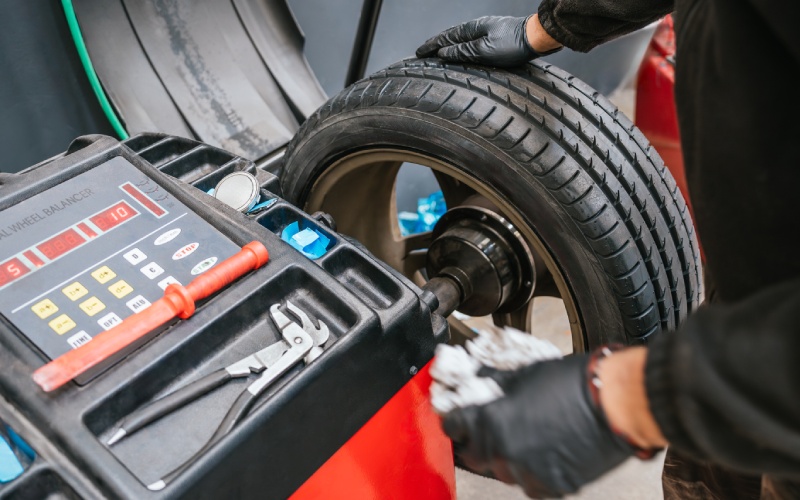
From first look to final torque, our process is transparent and efficient. We review your treadwear, discuss performance goals, and present curated tire choices—never one-size-fits-all. The Parts Department can order the exact tire specification you need, coordinate installation with Service, and help with accessories like wheel locks or cargo mats. Whether you are replacing a single damaged tire, upgrading all four for summer handling, or prioritizing year-round calm on your daily loop, Montgomeryville Nissan streamlines every step so you leave confident in your selection and satisfied with how your vehicle feels on the road.
Tire FAQs for Local Drivers
How do I know if I should choose all-season or summer tires?
Match the tire to your most common conditions. If you want stable, quiet, long-wearing performance across varied temperatures and frequent rain, choose all-season. If you prioritize sharp handling and shortest dry braking in warm weather, choose summer.
Will summer tires work in a surprise cold snap?
Summer compounds can stiffen in colder temps, reducing grip and increasing stopping distances. If cold mornings are common, an all-season is the safer, more versatile choice.
How often should I rotate tires?
Generally every 5,000–7,500 miles, or at each oil change. Regular rotations help even out wear, extend tire life, and can reduce cabin noise from cupped tread blocks.
Do I need an alignment with new tires?
It is strongly recommended. Proper alignment protects your investment by preventing shoulder wear, improving straight-line stability, and ensuring your vehicle tracks true after installation.
Can you service my vehicle if it is not a Nissan?
Yes. Our certified team services all makes and models, including EVs, with OEM-quality parts and equipment suited to your vehicle’s specifications.
What else happens during a tire visit?
You will receive a complimentary multi-point inspection covering brakes, suspension, battery, and more—helpful context when deciding between all-season and summer options.