Montgomeryville Nissan - Vehicle Battery Types, Replacement Essentials, and How Our Parts Department Helps near Lansdale, PA
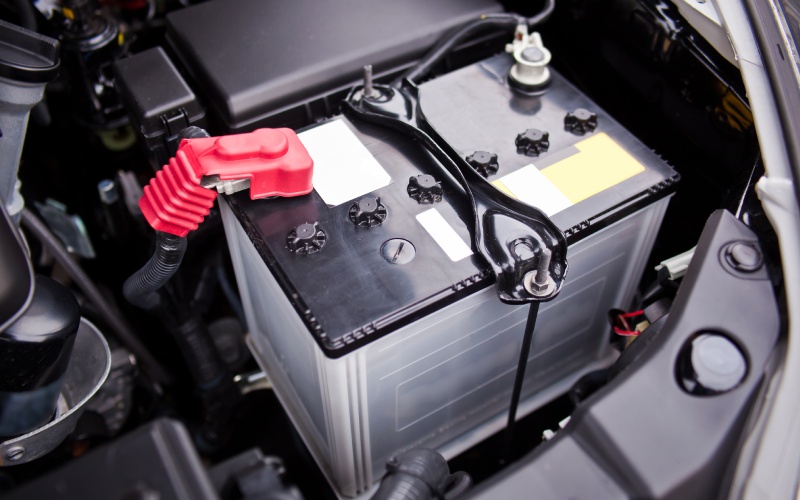
Your vehicle’s battery does more than start the engine. It stabilizes voltage, supports advanced driver-assistance features, and powers comforts like heated seats and infotainment. If you commute along Route 309, make frequent short trips around Montgomeryville and North Wales, or park for days at a SEPTA station, the right battery — and proper replacement — keeps everything running smoothly. Below, you’ll find a clear guide to common battery types, key considerations before you replace one, and how our parts experts and service team make the process simple near Lansdale, PA.
At Montgomeryville Nissan, we match the right battery to your specific vehicle and driving needs, coordinate professional installation, and handle testing and recycling so you leave confident and ready to go.
Types of vehicle batteries you’ll encounter
Not all batteries are created equal. Even among 12-volt batteries, internal construction, power delivery, and durability can vary widely. Here’s what most drivers will see when shopping or asking for a recommendation.
- Flooded lead-acid (FLA): The traditional, cost-effective 12-volt design found in many vehicles. Reliable for daily driving, but sensitive to deep discharges and may require more frequent replacement on short-trip or high-load vehicles.
- AGM (Absorbent Glass Mat): Built to handle higher electrical loads and frequent engine restarts. A strong pick for vehicles with stop-start systems, lots of accessories, or drivers who take many short trips.
- EFB (Enhanced Flooded Battery): A middle ground between FLA and AGM. Often used in entry-level stop-start applications. More robust than standard flooded, but not as resilient as AGM in heavy-duty use.
- 12-volt lithium-ion (aux): Used in select modern vehicles to save weight and improve charge acceptance. Must match OEM specs and charging profiles exactly — great when the vehicle was designed for it.
- Hybrid traction batteries (NiMH/Lithium-ion): High-voltage packs that move the vehicle, separate from the 12-volt battery that powers accessories and control modules. Replacement requires specialized tools and training.
- EV traction batteries (Lithium-ion): The main propulsion pack in fully electric vehicles. Service or replacement is a specialized procedure best left to factory-trained technicians with the proper safety equipment.
One more important distinction: nearly every vehicle — including hybrids and EVs — still relies on a 12-volt battery to power control modules, relays, and lock systems. That small battery can strand a vehicle just like a traditional starter battery can.
Common considerations before you replace a battery
Picking a battery by brand name alone can cause headaches later. Fitment, performance ratings, and your vehicle’s electrical strategy all matter. Use this checklist to get it right the first time.
- Correct group size and terminal layout: Ensures the battery fits the tray, accepts hold-downs, and connects without straining cables. Even a close-but-not-quite size can cause vibration or loose connections.
- Cold-cranking amps (CCA) and reserve capacity (RC): CCA helps with confident starts; RC supports electronics if the alternator isn’t charging. Match or exceed OEM specs for dependable performance.
- Stop-start requirements: Vehicles with idle stop-start typically need EFB or AGM. Using a standard flooded battery can shorten lifespan and reduce system performance.
- Battery Management System (BMS) reset/registration: Many modern vehicles need battery coding or registration after replacement so the charging system learns the new battery’s profile and avoids over- or undercharging.
- Venting and heat shielding: Some batteries must connect to a vent tube or use a specific insulator. Skipping these parts can lead to corrosion or heat-related damage.
- Charging system health: A weak alternator, loose belt, or parasitic draw can mimic a dying battery. Professional testing prevents replacing a good battery without fixing the real issue.
- Driving profile: Frequent short trips, lots of accessories, or long parking periods benefit from higher-spec batteries and periodic maintenance charging.
- Warranty support and recycling: Keep your proof of purchase, and recycle the old battery responsibly — it’s better for the environment and required in most regions.
If you’re unsure whether your symptom points to the battery or the alternator, a load test and charging system check are the fastest way to know. Slow cranking often suggests battery capacity loss; bright dash lights that suddenly dim or flicker with RPM can point to charging issues. Either way, a quick diagnostic saves time and money.
For DIYers, keep in mind that disconnecting a battery can reset radio presets, window indexing, and even active-safety calibrations on some vehicles. A memory saver and proper BMS registration help preserve settings and ensure a smooth handoff to the new battery.
How our parts department and service team make it easy
Our parts specialists use your VIN to pinpoint the exact battery technology, group size, venting requirements, and power ratings your vehicle was built for. That means no guesswork, no “close enough,” and no surprises when it’s time to install.
Once you’ve selected the right battery, we coordinate seamless installation with our certified service team. Need it fast? Our Express Service can typically test, replace, and register many 12-volt batteries without an appointment, and every visit includes a multi-point inspection to check cables, terminals, and charging health.
Have a hybrid or EV? We support both the 12-volt system and, when needed, can arrange high-voltage battery diagnostics through factory-trained technicians using the proper safety procedures and tools.
Prefer to handle the install yourself? Our team provides fitment details, vent elbows or tubes when required, and guidance on BMS registration so you can finish the job confidently. We also manage responsible battery recycling so you do not have to.
If you’re working with a trusted local shop, ask about delivery options from our parts department. We serve drivers and repair facilities across Montgomery County — making it easier to keep your vehicle ready for daily errands and weekend plans.
What to bring when picking up a replacement battery
Arriving prepared helps our team verify fitment quickly and confirm any special requirements for your vehicle.
- VIN and vehicle details: Year, make, model, trim, and any factory equipment like stop-start or premium audio.
- Symptoms and recent history: Slow cranking, dim lights at idle, or recent jump-starts help us advise on testing or alternator checks.
- Accessories and usage: Dash cams, aftermarket audio, or long parking periods can influence the best battery choice.
- Previous battery type: Noting flooded, EFB, AGM, or lithium helps us match or suggest an approved upgrade.
Local note: daily stop-and-go around Bethlehem Pike, frequent school drop-offs, and short grocery runs can be tough on batteries. If that sounds like your routine near Lansdale, PA, ask our team whether an AGM or EFB would better support your use pattern.
Frequently Asked Questions:
How long does a typical 12-volt battery last?
Many last 3 to 5 years, but short-trip driving, high accessory loads, or extended parking can shorten that. Periodic testing helps you plan a proactive replacement instead of needing a jump at an inconvenient time.
Can I switch from a flooded battery to AGM?
Often yes — especially if the vehicle has stop-start or heavy accessory demands — but it must be compatible with your charging profile and physical fit. Our parts team can confirm and our service team can register the new battery so the BMS charges it correctly.
Do hybrids and EVs still use a 12-volt battery?
Yes. Even with a high-voltage pack, the 12-volt battery powers control modules, relays, and many convenience features. A weak 12-volt battery can prevent a hybrid or EV from “waking up,” even if the traction battery is charged.
What are the signs it’s the alternator and not the battery?
If the engine starts fine with a jump but dies quickly, or if lights brighten and dim with engine RPM, the charging system may be the issue. A quick test of system voltage under load will pinpoint the cause accurately.
Will I lose settings when I change my battery?
Possibly. Some vehicles reset radio presets, clock, seat memory, and window indexing. We can use a memory saver during replacement and perform any required BMS registration to preserve functionality.
Do I need an appointment for a battery test or replacement?
Our Express Service can typically test and replace many 12-volt batteries without an appointment, and we will include a multi-point inspection. If your vehicle requires specialized diagnostics or coding, scheduling helps us prepare the right equipment.
Whether you’re replacing a hardworking 12-volt battery or planning for hybrid or EV support, our parts department and certified technicians help you choose correctly, install precisely, and drive away with confidence. Bring your VIN, share how you drive, and tell us about any accessories — we will match the right battery to your vehicle and handle the details from testing to recycling. When you are ready, stop in or reach out and our team will take it from there.